


People living with dementia and their carers in Preston are benefiting from a new community initiative thanks to a collaborative project led by Preston North End Community and Education Trust (PNECET) in partnership with local dementia specialists and voluntary organisations.
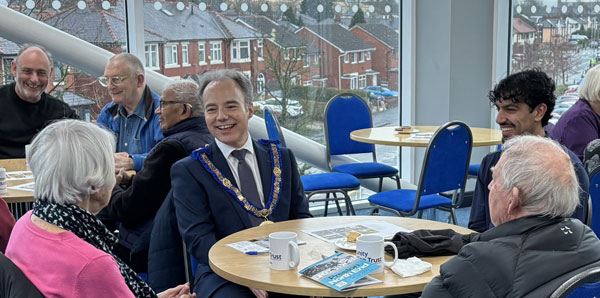
The initiative, called ‘Creating Connections’, introduces a fresh approach to addressing health and social inequalities affecting those living with dementia and the carers who support them. The project was developed in collaboration with partners from the Preston Dementia Hub, the Alzheimer’s Society and Age UK Lancashire. The project delivers free weekly sessions at Deepdale, the home of Preston North End Football Club, working in partnership with Primary Care Networks, Blue Flamingo, Age UK Lancashire and local care homes. It aims to remove common barriers to access, including cost and transport.
Sessions feature a mix of football reminiscence activities, walking and chair-based exercise, quizzes, board games and music, designed to support physical activity, social connection and wellbeing. Former Preston North End players also support selected sessions, sharing personal memories and football memorabilia to spark conversation and create meaningful moments for participants, including those living with dementia.
One of the former players involved is Alex Bruce, who enjoyed two successful spells at Preston North End between 1971–1974 and 1975–1983. A prolific striker, Alex was the club’s top scorer on several occasions and played a key role in the team’s 1977–78 promotion. His involvement brings Preston’s rich football heritage to life and helps participants connect through shared memories and local pride.
Carers also have access to support, advice and information tailored to their individual needs. With virtual access also available via Microsoft Teams if needed, these sessions will bring together carers to explore shared experiences, access peer support and engage in holistic activities to improve their own wellbeing.
In Lancashire and South Cumbria, 4.22% of the population are living with dementia, a figure higher than the national rate of 3.97%. In Preston, 1,139 people aged 65 and over are diagnosed with dementia, though local services estimate the true figure to be closer to 1,400. Although Preston has a better than average diagnosis rate (81.4% compared to 69.4% across Lancashire and 64.8% in England), demand for support is growing. ‘Creating Connections’ offers a timely and targeted response to that demand.

Specialist organisations such as the Alzheimer’s Society and Citizens Advice are invited to lead workshops on topics including financial support, care navigation and coping strategies. The programme is delivered by qualified wellbeing coaches with experience in dementia care and mental health support. Colleagues from local health and care services are invited to co-deliver sessions where their expertise can enhance outcomes.
Desired project outcomes include: 1) Reducing loneliness and isolation by building social connections among participants. 2) Improving physical and mental wellbeing through regular, tailored activity. 3) Raising awareness of local support services and building confidence to access them. 4) Equipping unpaid carers with the tools, knowledge and resilience to care for their loved ones.
The grant from West Lancashire Freemasons comes through the Masonic Charitable Foundation, which is funded by Freemasons, their families and friends, from across England and Wales. Emma McNamara, Head of Health and Wellbeing at PNECET said: “We’re very grateful to West Lancashire Freemasons for their generous grant. Creating Connections allows us to reach those who often feel excluded. Our stadium provides a welcoming and familiar setting where people can reconnect with others, access support and feel part of something again. We’re excited to bring this vision to life for the benefit of Preston’s communities.”
Jonathan Heaton, of West Lancashire Freemasons, said: “We’re delighted to be able to support PNECET in their hugely valuable work with older people living with dementia and the unpaid carers who support them. These individuals can too often become isolated and unsure where to turn for help. Thanks to the dedication of this wonderful charity, they will be better connected, better supported, and less alone.”